
How We Help with Lower Back Pain
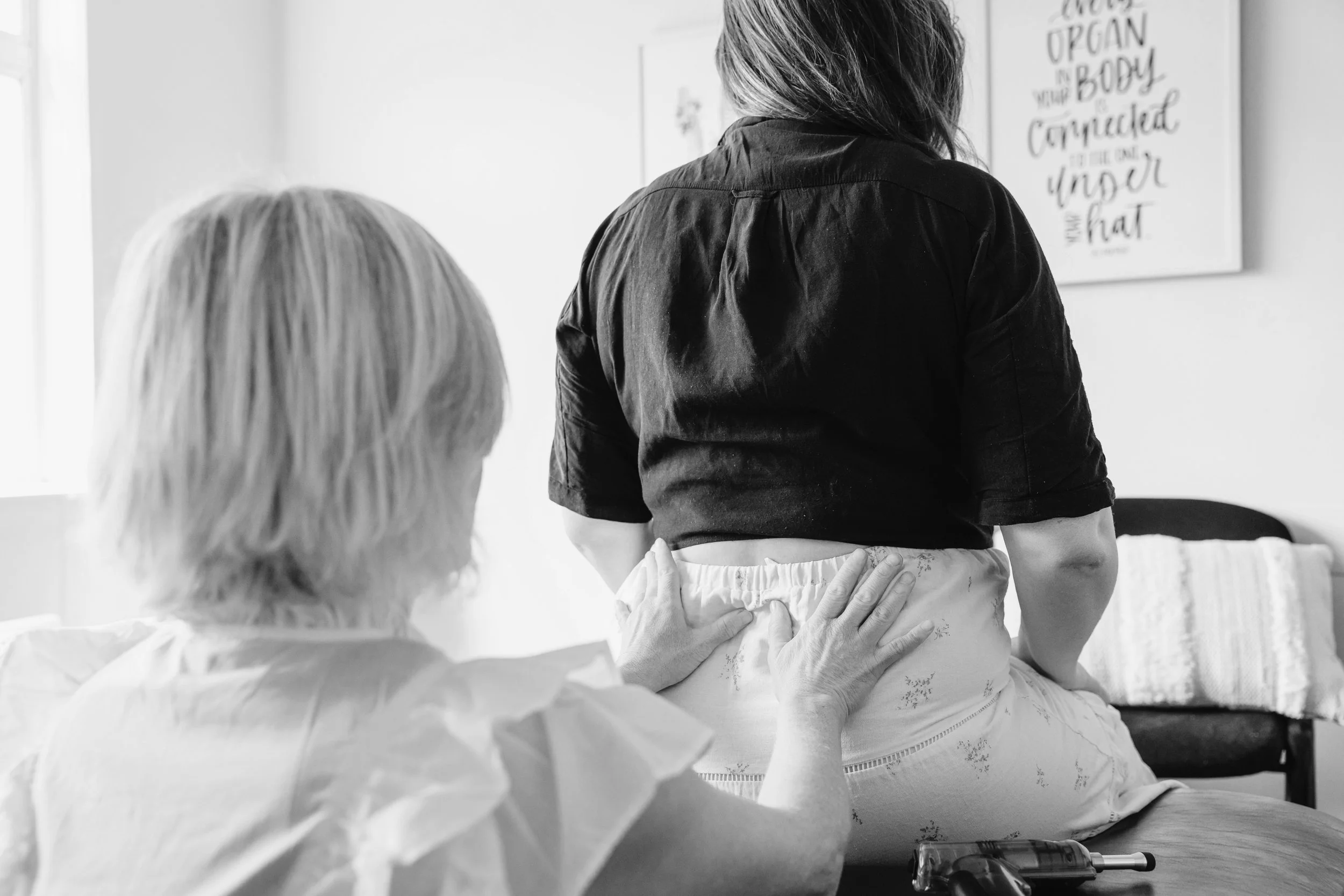
Lower back pain is one of the most common reasons people visit our practice. Whether it started after lifting something heavy, sitting at a desk all day, or seemed to come on for no obvious reason, many people ask us the same question:
“How do you actually diagnose and treat lower back pain?”
Step 1: We Find the Cause
Back pain is rarely one-size-fits-all. That’s why your first appointment focuses on understanding why you’re experiencing pain, not just where it hurts.
We’ll:
Listen to your story and how your symptoms began.
Discuss your daily activities, work, hobbies, and health history.
Assess your posture and movement.
Check how your spine and joints are functioning.
Test your muscles, reflexes, strength, and flexibility.
Perform neurological and orthopaedic tests where appropriate.
If we feel imaging such as an X-ray is needed to better understand what’s happening, we’ll discuss this with you, and we can perform this free of charge at our practice. We can recognise if something needs further investigation, and we will refer you to your GP or another healthcare provider if required.
Step 2: We Create a Personalised Care Plan
No two backs are the same, so your care shouldn’t be either.
Your treatment plan is tailored to your diagnosis, your goals, and your lifestyle. We’ll explain what we’ve found in simple terms so you understand what’s contributing to your pain and what we can do to help.
Step 3: Treatment
Depending on your individual needs, treatment may include:
Gentle chiropractic adjustments to improve spinal movement.
Soft tissue techniques to reduce muscle tension.
Mobility and stretching advice.
Strengthening exercises to improve stability.
Ergonomic and lifestyle recommendations to reduce strain on your back.
Our aim isn’t just to help you feel better today—we want to help your body move better, recover well, and reduce the likelihood of the problem returning.
Supporting Your Recovery
Recovery is a team effort. We’ll give you practical advice on things you can do at home, at work, and during everyday activities to support your progress between appointments.
When Should You Get Your Back Checked?
If your back pain is stopping you from doing the things you enjoy, isn’t improving, or keeps coming back, it’s worth getting it assessed. Early diagnosis and the right treatment can often help you recover sooner and get back to living life more comfortably.
If you’ve been wondering whether chiropractic care could help your lower back pain, we’d love to answer your questions and see if we’re the right fit for you.
